The financial security of Olympic athletes

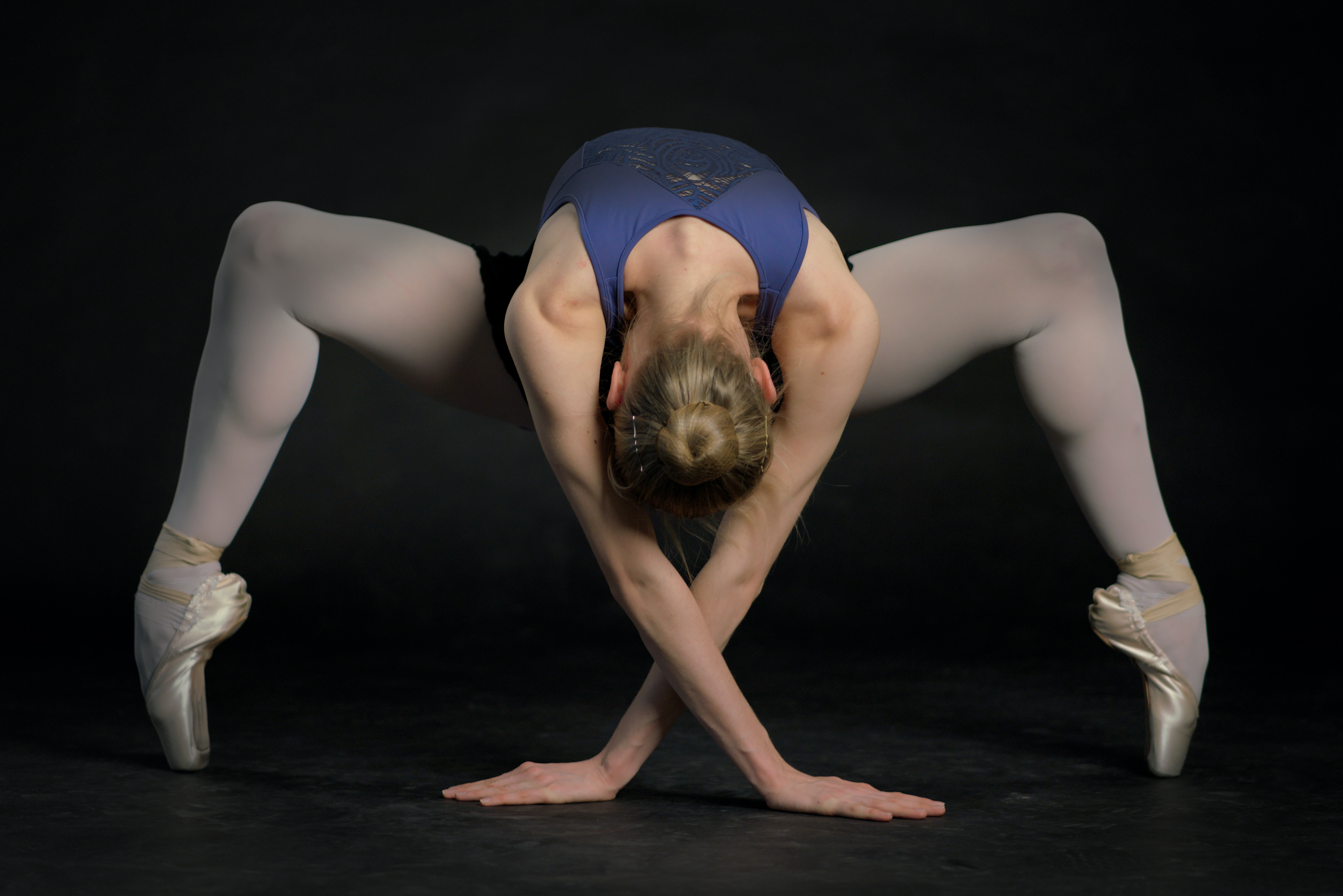
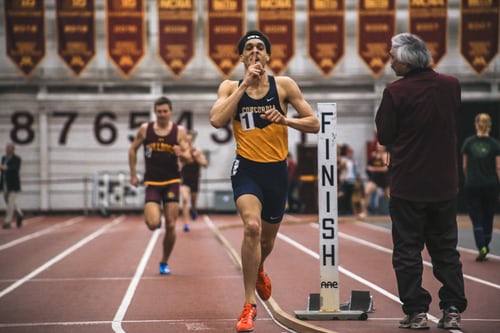
The financial security of Olympic athletes during and after their careers varies greatly, with some achieving significant wealth and others facing financial challenges. While there have been athletes who have had financially lucrative lives, they are the exception rather than the general rule. Additionally, the post-retirement mental state of athletes can also vary, and some individuals may experience difficulties adjusting to life after competitive sports.

During their athletic careers, Olympic athletes often face financial constraints due to the high costs associated with training, coaching, travel, and equipment. While elite athletes may receive financial support through sponsorships, endorsements, and government funding, this support is typically concentrated among the most successful and well-known athletes in popular sports. Athletes in lesser-known or emerging sports, as well as those at lower levels of competition, may struggle to secure adequate financial backing.

However, there have been Olympic athletes who have achieved significant financial success, largely driven by their performances, popularity, and marketability. These athletes may secure lucrative endorsement deals, sponsorships, and appearance fees. Well-known examples include Usain Bolt, Michael Phelps, and Simone Biles, who have amassed substantial wealth through a combination of sporting achievements and endorsement partnerships.

Despite these notable cases, it is important to note that financial success in the Olympic world is not widespread. Many athletes, particularly those in less popular sports, may struggle to make a living solely from their athletic endeavors. The limited earning potential during their careers can make it challenging to accumulate significant wealth or establish a secure financial foundation for the future.

Post-retirement, athletes may face additional financial and emotional challenges. The transition from a highly structured and competitive sporting environment to a regular life can be difficult. Athletes who have dedicated the majority of their lives to training and competing may experience a sense of loss, identity crisis, and uncertainty about their future. These challenges can have an impact on their mental well-being.

Financially, athletes may encounter difficulties if they haven't adequately planned for life after sports. The short-lived nature of an athlete's competitive career can make it challenging to accumulate savings or establish alternative income streams. While some athletes successfully transition into careers such as coaching, media, or sports administration, others may struggle to find suitable employment opportunities that provide financial stability.

To support athletes in their post-retirement journeys, sports organizations and governing bodies have implemented programs and initiatives focused on career transition, education, and mental health support. These resources aim to assist athletes in navigating the challenges of transitioning to life after sports and help them build fulfilling and financially stable post-competitive careers.

In conclusion, the financial security of Olympic athletes during and after their careers is not uniform. While some athletes achieve significant wealth through endorsements and sponsorships, they represent the exception rather than the general rule. Many athletes face financial constraints during their careers and may encounter challenges in securing their long-term financial stability post-retirement. The mental state of athletes post-retirement can also vary, with some experiencing difficulties adjusting to life outside of competitive sports. Continued support and resources are necessary to address these challenges and ensure the well-being of athletes beyond their athletic careers.


What is NIL (Name Image & Likeness)?

Name, Image, and Likeness (NIL) refers to the right of athletes to profit from their own name, image, and likeness without jeopardizing their eligibility to participate in collegiate sports. It allows college athletes to earn money through endorsement deals, sponsorships, social media promotions, and other opportunities based on their personal brand.

The concept of NIL has been a topic of discussion and debate for many years, but it has gained significant attention and momentum in recent times. In the United States, the National Collegiate Athletic Association (NCAA), the governing body for college sports, has traditionally enforced strict rules prohibiting athletes from profiting off their name, image, and likeness. However, with the changing landscape of sports and increased focus on athlete empowerment, there has been a push to reform these rules and allow athletes to monetize their personal brands.

The movement towards allowing NIL rights began to gain traction in the early 2010s, with notable lawsuits challenging the NCAA's restrictions on athletes' ability to earn money. In 2020, several states in the U.S. passed legislation to grant college athletes NIL rights, prompting the NCAA to adjust its rules to accommodate these changes. On July 1, 2021, the NCAA officially implemented interim NIL policies, allowing athletes across the country to benefit from their NIL.

Since the implementation of NIL rights, there have been several successful use cases where college athletes have leveraged their personal brands to earn income. Many high-profile athletes with large social media followings, such as basketball players Zion Williamson and Paige Bueckers, have secured lucrative endorsement deals with major brands. These partnerships often involve product endorsements, social media campaigns, and appearances, allowing athletes to monetize their popularity and reach.

While NIL presents new opportunities for athletes to earn a living, its sustainability as a sole source of income may vary depending on several factors. The earning potential of NIL largely depends on an athlete's individual brand value, marketability, and the size of their following. Athletes with a strong personal brand, impressive on-field performances, and a substantial social media presence are more likely to attract endorsement opportunities and secure higher-paying deals.

However, success in the NIL space is not solely determined by the number of followers an athlete has. Brands also consider factors such as engagement rates, audience demographics, and alignment with their brand values. An athlete with a smaller but highly engaged and targeted following may still attract lucrative partnerships if their audience aligns with the brand's target market.

Building a successful NIL strategy involves actively developing one's personal brand, engaging with fans and followers, and cultivating meaningful relationships with potential sponsors. Athletes need to invest time and effort in content creation, social media management, and networking to maximize their opportunities in the NIL marketplace. It's also essential for athletes to understand and comply with the relevant regulations and guidelines set by the NCAA, their respective institutions, and local legislation.

In conclusion, NIL represents a significant shift in the landscape of college athletics, allowing athletes to capitalize on their name, image, and likeness. While it offers new avenues for athletes to earn income, its sustainability as a primary source of living depends on various factors. Success in the NIL space goes beyond follower count, emphasizing factors like brand value, engagement, and targeted audience. Athletes who actively build their personal brand, engage with their audience, and forge relationships with sponsors have a better chance of leveraging NIL opportunities effectively.

Digital Opportunities for today's sports coaches

In the digital age, there is a significant opportunity for sports coaches to leverage technology and online platforms to enhance their coaching methods and reach more athletes. The success story of Julius Yego, who learned about javelin through YouTube and went on to become a world champion, highlights the power of digital resources in sports coaching.

One of the primary digital opportunities for sports coaches is the ability to access and share training and coaching resources online. There are a vast number of websites, social media platforms, and video-sharing platforms that offer a wealth of knowledge and expertise from coaches and athletes around the world. Coaches can access these resources to expand their own knowledge and skills, as well as to provide their athletes with additional training materials and techniques.

Another significant opportunity is the ability to use technology to track and analyze athlete performance. Wearable technology, such as fitness trackers and heart rate monitors, can provide coaches with valuable data on an athlete's training progress, recovery times, and performance metrics. This information can help coaches tailor training programs to individual athletes and identify areas where they can improve their performance.

Digital tools can also provide coaches with a more efficient and effective way to communicate with their athletes. Coaches can use messaging apps, email, and video conferencing tools to stay in touch with their athletes, regardless of their location. This can help coaches stay connected with their athletes and provide them with guidance and support even when they are unable to train together in person.

One of the most significant digital opportunities for sports coaches is the ability to reach a global audience. Online coaching programs, webinars, and video courses can allow coaches to share their expertise with athletes around the world. This can help coaches expand their client base, build their reputation, and earn income from their coaching services.

In addition to these opportunities, the digital age has also made it easier for coaches to promote their services and build their personal brand. Social media platforms, such as Instagram, Facebook, and Twitter, can be powerful tools for coaches to showcase their expertise, connect with potential clients, and build their online presence.

However, it's worth noting that while digital resources and tools can provide significant opportunities for sports coaches, they should not be relied on as a substitute for in-person coaching. Online resources should be used in conjunction with hands-on training and coaching to ensure that athletes receive the support they need to reach their full potential.

In conclusion, the digital age presents significant opportunities for sports coaches to enhance their coaching methods, reach more athletes, and build their personal brand. From accessing training resources to tracking athlete performance and building a global coaching business, coaches who embrace digital tools and platforms can unlock new possibilities and help their athletes achieve their goals. The success story of Julius Yego is a testament to the power of online resources in sports coaching and highlights the potential for coaches to make a significant impact on the lives of athletes, regardless of their location or access to resources.

How do you monetise your sporting knowledge if you don't end up going pro?

Athletes who have trained for years but don't end up playing professionally may wonder how to monetize the knowledge and skills they have gained from their training. While it may not be possible to earn a living solely from their sports expertise, there are several ways athletes can leverage their experience to create opportunities for themselves. Here are a few options:

  1. Coaching - One of the most common ways athletes can monetize their knowledge is by coaching others in their sport. This can include coaching at the youth, high school, or college level, or working with adults in a private or group setting. Coaching can be a flexible and rewarding way to earn income while staying involved in the sport and helping others develop their skills.

  2. Personal Training - Athletes may also be able to leverage their fitness and conditioning expertise by becoming personal trainers. This can involve working with clients one-on-one to help them improve their fitness, strength, and overall health. Athletes with experience in sports medicine or injury prevention may be especially well-suited to this type of work.

  3. Public Speaking - Athletes with compelling stories or insights may be able to earn income by speaking at events or conferences. This can include sharing their experiences as an athlete, discussing their training and nutrition regimen, or providing motivational speeches to inspire others. Athletes may also be able to monetize their social media following by partnering with brands or companies that align with their personal brand.

  4. Writing and Content Creation - Athletes who have strong communication skills may be able to monetize their expertise by writing articles, creating videos, or producing other types of content related to their sport. This can include sharing training tips, discussing strategy and technique, or providing commentary on the latest developments in the sport. This type of work can be done on a freelance basis or as part of a larger media organization.

  5. Business and Entrepreneurship - Athletes with an entrepreneurial mindset may be able to create their own business related to their sport. This can include starting a sports training facility, launching a sports apparel or equipment line, or developing a sports-related app or software platform. This type of work requires a significant amount of investment and risk-taking, but can also be highly rewarding for those with the drive and vision to succeed.

In conclusion, while it may not be possible for athletes who don't end up playing professionally to earn a living solely from their sports expertise, there are many ways they can leverage their knowledge and skills to create opportunities for themselves. By exploring options such as coaching, personal training, public speaking, writing and content creation, and business and entrepreneurship, athletes can build fulfilling careers and continue to share their passion for their sport with others.

Breaking down the "Rule of 1000 True Followers"

The "Rule of 1000 True Followers" is a concept popularized by Kevin Kelly, the founding executive editor of Wired magazine. The basic premise is that if you can find 1000 true fans who are willing to support your work, you can earn a sustainable income from your creative pursuits.

So, what exactly are true fans? According to Kelly, a true fan is someone who will purchase anything and everything you produce. They will eagerly anticipate your next creation and be willing to pay a premium for it. They will attend your events, buy your merchandise, and promote your work to others.

The key to the rule of 1000 true fans is that these fans are not just casual followers. They are deeply committed to your work and are willing to invest in it financially. If you can find 1000 of these fans, you can earn a sustainable income from your creative endeavors.

The idea behind the rule is that instead of trying to reach millions of people with your work, you focus on building a smaller but highly engaged audience. By cultivating a strong connection with your true fans, you can create a sustainable business model without the need for mass-market appeal.

But can you really earn a sustainable income from 1000 true fans? The answer is yes, but with some caveats.

Firstly, it's important to note that the rule of 1000 true fans is not a guarantee of success. Finding 1000 true fans can be a challenge, and it requires a lot of hard work and dedication. Additionally, your ability to earn a sustainable income from your true fans will depend on several factors, such as the price of your products, your production costs, and your ability to consistently create high-quality content.

Secondly, while 1000 true fans may be enough to sustain some creative endeavors, it may not be enough for others. For example, if you're a musician, 1000 true fans might be enough to support your recording and touring expenses, but it might not be enough to cover your living expenses.

Thirdly, the rule of 1000 true fans assumes that you have a direct relationship with your fans. This means that you're not relying on intermediaries like record labels or publishers to sell your work. Instead, you're selling your work directly to your fans through channels like Patreon, Kickstarter, or your own website.

In conclusion, the rule of 1000 true fans can be a powerful concept for creators looking to build a sustainable income from their work. By focusing on cultivating a highly engaged audience, creators can create a direct relationship with their fans and build a business model that doesn't rely on mass-market appeal. However, finding 1000 true fans is not easy, and it requires a lot of hard work and dedication. Additionally, the ability to earn a sustainable income from 1000 true fans will depend on several factors, and it may not be enough for some creative endeavors.

Invictus Sport